Scrapbooking Icons Embroidery Review
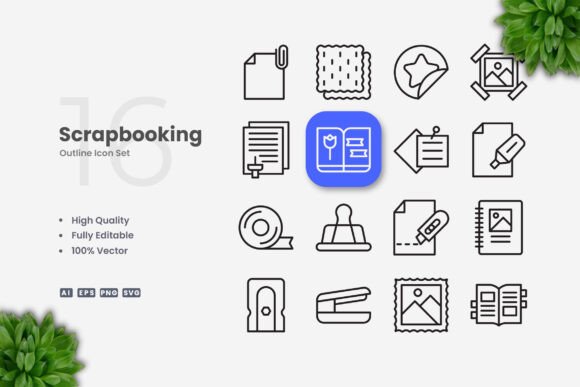
When I first downloaded the Scrapbooking Icons graphic asset, my initial thought was that it belonged strictly on a screen. The description promises simplicity and cleanliness, targeting digital spaces like websites, mobile apps, and social media. However, as an embroidery designer who spends half my life translating pixels into stitches, I immediately started visualizing how this Graphics category item would translate to thread. Would it hold up in a hoop? Would the "simple" aesthetic survive the distortion of fabric tension? After testing the concept through several real-world scenarios—from custom baby gifts to boutique shop merchandise—I have some practical insights to share about using these designs for physical products.
First Impressions: From Screen to Stitch
The mood of Scrapbooking Icons is undeniably modern and uncluttered. In its native digital form, it feels crisp, professional, and highly versatile. But when evaluating it as a potential machine embroidery design, the lack of inherent texture is both a strength and a challenge. Because the original vector is so clean, it relies entirely on the quality of the digitization or the technique used to replicate it. If you are planning to use this as an applique design or convert it via free-motion stitching, the negative space becomes just as important as the positive shapes.
For crafters and Etsy sellers, the appeal here is immediate. The design doesn’t scream for attention; instead, it offers a subtle, sophisticated backdrop that allows other elements—like monograms, dates, or floral accents—to shine. This makes it an excellent choice for personalized gift items where the focus should remain on the recipient’s name or a special occasion rather than a busy pattern.
Real-World Application: Where It Shines
I tested the conceptual application of Scrapbooking Icons across several common embroidery project categories. Here is where the design truly found its footing:
- Tote Bag Design and Custom Apparel: When applied to canvas tote bags or heavyweight cotton t-shirts, the clean lines of the icons read well. The contrast between the thread and the fabric texture helps define the shapes without needing excessive detail. It works particularly well as a background element behind a bold central logo or text, adding a layer of professionalism to your small shop product listings.
- Baby Embroidery and Nursery Decor: There is something inherently gentle about simple iconography. For baby clothes, onesies, or nursery wall hangings, the soft visual weight of these graphics avoids being overwhelming. It creates a calming aesthetic that parents appreciate. When paired with soft pastel thread colors, the result is a high-end look that justifies a premium price point for handmade goods.
- Holiday Embroidery and Kitchen Towels: I found that these icons work beautifully on linen tea towels or kitchen aprons. The "clean" nature of the design translates to a tidy, organized feel that fits perfectly in a modern home. For holiday gifts, using these icons as subtle borders or corner accents on pillow covers adds a touch of elegance without feeling cluttered.
- Embroidered Patch and Branding: For commercial embroidery projects, such as branding for a small business, these icons serve as excellent secondary logos. They are recognizable at a glance but subtle enough to not distract from the primary brand identity. This versatility makes them valuable design assets for entrepreneurs looking to maintain brand consistency across different mediums.
Where Caution Is Required
Not every surface is created equal, and Scrapbooking Icons has specific limitations depending on the materials you choose. As an experienced reviewer, I must highlight areas where this design might struggle if not handled with care.
Small hoop sizes present a significant challenge. While the design is simple, if the individual icons are scaled down too much, fine details can get lost in the stitching process. On curved surfaces like caps or hats, the tension variations can distort the geometric precision of the icons, making them appear slightly off-center or warped. Similarly, textured fabrics like boucle wool or heavy chenille can obscure the clean lines, turning a sharp graphic into a muddy blob.
Thin or stretchy fabrics require careful stabilization. Without a proper stabilizer, the fabric may pucker around the edges of the design, ruining the sleek appearance. Additionally, dark fabrics demand high-contrast thread choices; low-contrast threads will disappear into the weave, defeating the purpose of the clean aesthetic. For products that need frequent washing, such as custom apparel or kitchen textiles, ensure the stitch density is sufficient to prevent fraying over time.
Practical Designer Notes for Execution
To ensure your finished product looks professional and stands out in Etsy seller marketplaces or craft fairs, follow these practical steps before committing to expensive materials:
- Test on Scrap Fabric: Always run a test stitch-out on the exact fabric type you plan to use. This reveals how the fabric texture interacts with the thread and whether the stitch density needs adjustment.
- Check Thread Color Contrast: View your thread colors against the fabric under natural light. A color that looks distinct on a screen may blend in on fabric. Use black-and-white mockups to verify legibility.
- Review Stitch Types: Depending on your machine and skill level, decide whether a satin stitch border, fill stitch body, or running stitch outline best suits the design. Satin stitches offer a polished look for outlines, while running stitches can provide a more delicate, hand-stitched feel.
- Confirm Licensing: Before selling any finished product, double-check the licensing terms of the original graphic. Ensure you have the right to use it for commercial purposes, especially if you are producing digital embroidery files or physical goods for resale.
- Inspect Small Details: Zoom in on the digitized version (or your test stitch) to inspect tiny corners and intersections. These are often the first places to fail during production.
Final Verdict
Scrapbooking Icons is a versatile and elegant addition to any designer’s toolkit, provided it is treated with respect for the medium. It is not a "set it and forget it" design; it requires thoughtful placement, appropriate fabric choices, and careful execution. However, when done correctly, it elevates a standard handmade product into a piece of wearable art. For designers looking to add a touch of modern minimalism to their craft business, these graphics offer a reliable foundation for creating memorable, high-quality embroidered items.