Modern Building Icons Embroidery Review
As a designer who spends half my day staring at vector paths and the other half troubleshooting tension issues on my embroidery machine, I am always skeptical when I see digital graphics marketed for stitching. There is a massive gap between how a graphic looks on a crisp white monitor and how it translates into thread, fabric, and stabilizer. Today, I am evaluating Modern Building Icons, a product categorized under Graphics and Icons, to see if it holds up in the real world of handmade commerce and custom apparel.
The description promises a "simple and clean icon design" suitable for everything from websites to infographics. While that versatility sounds great for a digital asset, my job is to determine if this design works as a machine embroidery design. Can it survive the hoop? Will it look professional after twenty washes? And most importantly, does it have enough character to sell as a premium handmade product? Let’s dive into the practical realities of using these architectural motifs in your next embroidery project.
First Impressions: Clean Lines Meet Thread Tension
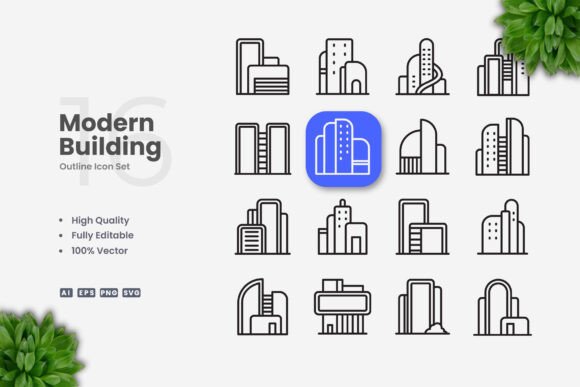
The immediate appeal of Modern Building Icons is its minimalist aesthetic. In the world of embroidery, simplicity is both a blessing and a curse. On one hand, complex details often get lost or turn into a muddy mess of tangled threads. On the other hand, overly simple designs can look unfinished or cheap if the execution isn't perfect. This design strikes a balance that feels intentional. The shapes are geometric, sharp, and uncluttered, which suggests they will stitch out with high clarity.
Visually, the icons evoke a sense of urban sophistication and modern stability. They don’t scream for attention; instead, they offer a subtle, curated vibe. This makes them incredibly versatile for branding. For an Etsy seller or a small shop product owner, this kind of understated elegance often converts better than loud, chaotic patterns because it appeals to customers looking for timeless style rather than fleeting trends. The design personality is professional yet approachable, fitting seamlessly into a boutique brand identity.
Real-World Application: From Digital Mockup to Finished Product
Let’s imagine a specific scenario. You are preparing a batch of custom embroidered tote bags for a local craft fair. You want something that appeals to architects, designers, and city dwellers without being too niche. You pull up Modern Building Icons. Because the description notes that you can resize, change color, or edit stroke weight, you decide to use a single, bold building outline centered on the canvas bag.
When stitched, the clean lines of the icon translate well into a satin stitch border. The lack of internal clutter means there are fewer jump stitches to trim, resulting in a faster production time—a crucial factor for any craft business. The result is a sophisticated tote bag design that looks like it belongs in a high-end stationery store. It elevates a basic canvas bag into a statement piece.
However, the versatility doesn’t stop at bags. Consider a sweatshirt embroidery project targeting new homeowners or interior designers. Placing a cluster of these modern building icons on the back yoke creates a subtle nod to architecture and home. Or perhaps you are making personalized gifts for a housewarming party. A set of embroidered patches featuring different buildings from a neighborhood can be attached to denim jackets or aprons. In these contexts, the design acts as a powerful visual shorthand for "home," "structure," and "community."
For digital creators, these icons also serve as excellent assets for creating printable mockups. Before committing to fabric, you can visualize how the design assets look on various backgrounds. This helps in setting realistic expectations for customers browsing your online store.
Where Caution Is Required: Fabric and Hardware Limitations
While the design is strong, no embroidery file is universal. There are specific situations where Modern Building Icons might struggle, and knowing these pitfalls is what separates a pro from a novice.
- Small Hoop Sizes: If you attempt to stitch these icons in a very small hoop (under 4x4 inches), the fine details of the building outlines may become distorted. The curve of the fabric in tight hoops can stretch the design, causing straight lines to bow. Always check the hoop size requirements before finalizing your layout.
- Textured and Stretchy Fabrics: Embroidering on heavy waffle-knit towels or thin, stretchy jersey knits requires extra care. The inherent texture of the fabric can interfere with the stitch density, making the clean lines of the icons appear jagged. For stretchy fabrics, a cut-away stabilizer is non-negotiable to prevent puckering.
- Dense Stitch Areas: If the design includes filled areas (fill stitch) rather than just outlines, ensure the stitch density is appropriate for the fabric weight. Too much thread on lightweight fabric will cause stiffness and eventual tearing. Conversely, on thick fleece, you may need to increase the density to prevent the fabric from showing through.
- Curved Surfaces: Applying this design to a caps or hats can be tricky. The flat, geometric nature of the buildings might clash with the curvature of the cap front. It often works best on flat panels, such as the chest area of a jacket or the front panel of a tote.
Designing for Value and Customer Trust
In the handmade market, presentation is everything. A poorly executed embroidery job can make even the best design look amateurish. When you use Modern Building Icons, the clean geometry demands precision. This actually works in your favor. Because the design has no hidden flaws or messy corners, any imperfection in stitching is immediately visible. This pushes you to maintain high standards, which in turn builds customer trust.
Customers associate clean, precise stitching with quality. When they receive a personalized gift or a custom apparel item with sharp, well-defined building icons, they perceive higher value. This is particularly true for commercial embroidery clients who are buying for their own brands. They want consistency, and the modular nature of these icons allows for easy repetition and pattern creation, ensuring brand consistency across multiple products.
Furthermore, the neutral and modern theme makes these designs highly giftable. Whether it’s a holiday embroidery project or a wedding gift for a couple who loves urban living, the imagery resonates emotionally without being overly sentimental. It feels contemporary and thoughtful.
Practical Designer Notes for Success
Before you load your hoop and start stitching, follow these essential steps to ensure your finished product meets professional standards:
- Test on Scrap Fabric: Never run a full production batch without testing first. Use scrap pieces of your actual target fabric to check how the thread colors interact with the material.
- Check Contrast: Ensure there is sufficient contrast between your thread and the fabric. Light gray thread on a white background will disappear, ruining the clean aesthetic of the icons.
- Review Stitch Types: Analyze whether the design uses satin stitch for borders and running stitch for details. Satin stitches should be smooth and dense, while running stitches should be light and airy. Mismatched stitch types can lead to uneven texture.
- Inspect Small Details: Zoom in on the digital file. Are there tiny floating elements that might not stitch out reliably? If so, consider simplifying the design by removing those elements.
- Confirm Licensing: Since this is sold as a graphic/icon pack, verify the license terms carefully. Ensure you are permitted to sell physical finished products made from the design, especially if you are operating a craft business or selling on platforms like Etsy.
In conclusion, Modern Building Icons is a solid choice for designers who value clarity and modern aesthetics. It transforms easily from a digital graphics element into a tangible, high-quality embroidery file. By respecting the technical limitations of fabric and hardware, you can create stunning handmade products that stand out in a crowded market. Just remember: good design starts with good preparation.