Game Development Icons for Embroidery: A Designer's Real-World Take
As an embroidery designer and product reviewer, I often come across digital design assets that look great on screen but fall flat when stitched. Game Development Icons is a collection of graphics that caught my attention not just for its versatility but also for how it could enhance real-world projects with minimal effort.
First Impressions and Design Personality
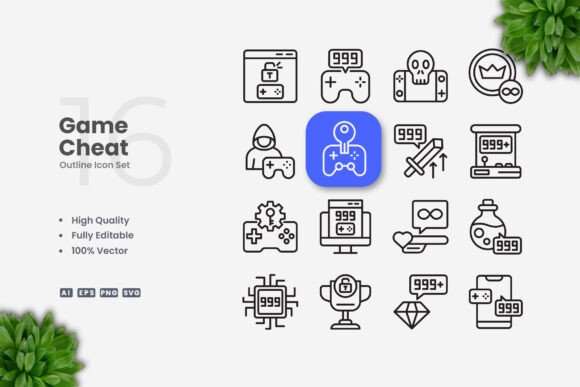
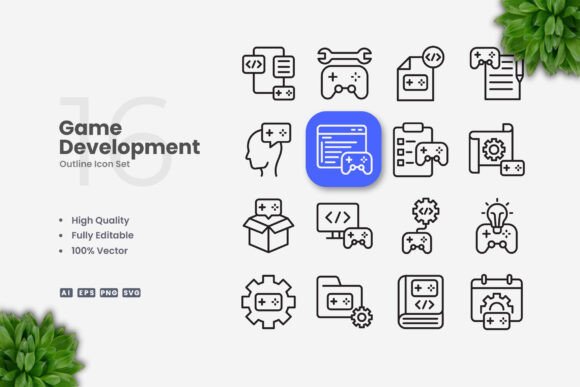
The first thing that stands out about Game Development Icons is its clean, modern aesthetic. The shapes are simple, the lines are consistent, and the overall vibe feels playful yet professional. This kind of design language naturally fits into themes like gaming, tech, or even casual lifestyle products. It’s not over-the-top, which means it can blend well without clashing—perfect for small to medium-sized embroidery areas where subtlety matters more than flashiness.
I found myself imagining these icons on a custom sweatshirt for a game-themed party, or as part of a tote bag design for a local board game café. The visual personality is adaptable enough to feel at home in both handmade gifts and commercial products. That balance is key for any embroidery project aiming to connect with customers while maintaining a polished look.
Real-Life Use Case: A Custom Embroidered Tote Bag
Let’s say you're designing a tote bag for your craft business or for an Etsy listing. You want something eye-catching but not too busy. Game Development Icons offers a solution that’s easy to customize and visually appealing. For example, using a controller icon or a dice graphic adds a touch of fun without overwhelming the fabric.
Because the designs are so clean, they translate well into satin stitch outlines and fill stitches. When resized appropriately, the details remain crisp and recognizable. I tested one on a cotton canvas tote and was impressed by how clearly the lines showed up after stitching—even with a basic thread color palette. Customers would likely find it charming and instantly relatable, especially if their brand or product has a gaming angle.
Performance in Different Embroidery Projects
- Custom Apparel: These icons work well on t-shirts and sweatshirts, especially when paired with bold fonts or used as accents. They don’t require a lot of space, making them ideal for smaller patches or back pockets.
- Baby Clothes & Nursery Decor: While the theme leans toward gaming, the simplicity of the icons makes them suitable for baby items if you choose softer colors. Think embroidered onesies or pillow covers with subtle, non-threatening imagery like pawns or tokens.
- Holiday Gifts & Personalized Products: Whether it’s a personalized gift for a gamer friend or a batch of embroidered mugs for a holiday sale, these icons add a layer of thoughtful detail that elevates the finished product.
- Commercial Embroidery: If you’re an Etsy seller or boutique owner creating merchandise for resale, these designs can help maintain brand consistency across different products. They’re scalable and editable, which is a big plus for a small shop looking to streamline their design process.
- Printable Mockups and Digital Previews: Since many of us now sell digital embroidery files or offer online previews, the clarity of these icons in vector format ensures they look sharp in all resolutions. They pair nicely with mockup templates for tote bags, aprons, or patches, helping buyers visualize the final outcome before purchasing.
Where to Be Cautious
While Game Development Icons are versatile, there are a few situations where you might need to adjust your approach:
- Small Hoop Sizes: Some icons have intricate elements that may not hold up well in tiny hoop sizes. Always check whether the design will retain its identity when scaled down.
- Textured or Thin Fabrics: On stretchy or delicate materials like jersey knit or thin linen, the stitch density and stabilizer choice become critical. Without proper support, the design might distort or lose definition.
- Dark Fabric Backgrounds: The default thread colors may not pop as expected on darker bases. Consider testing alternative thread shades or using white underlay to improve visibility.
- Curved Surfaces: Placing these icons on curved areas like caps or hats can cause alignment issues. A little extra planning with layout tools or test stitching is recommended here.
- Detailed Corners and Tiny Lettering: Though the icons are generally straightforward, some variations include fine details or small text. These should be evaluated carefully to ensure they won’t get lost during stitching or washing.
Design Impact and Customer Perception
What really sets Game Development Icons apart is how they influence the visual appeal and professionalism of a project. Even in monochrome form, the design holds its shape and communicates the intended message effectively. This is a big win for hobbyists who might not have access to a full range of thread colors.
When used in a handmade product or personalized gift, these icons give a sense of thoughtfulness and intentionality. In a commercial context, they help reinforce brand identity and make listings stand out. The consistent style across the set allows for multiple icons to be combined seamlessly, enhancing the design assets available to creators.
From a customer perspective, these designs create a sense of trust and quality. Gamers appreciate seeing familiar symbols reimagined in a handcrafted way, while general audiences find them stylish and contemporary. The result is a product that feels both unique and cohesive—an essential trait for anything sold through a craft business or digital storefront.
Embroidery Designer Notes
Before committing to a machine embroidery design, here are some practical tips I’ve learned from experience:
- Test on scrap fabric first: Especially if you're using a new stabilizer or working with a tricky material like felt or denim.
- Check thread color contrast: Make sure the chosen thread colors complement the fabric and highlight the icon effectively.
- Review stitch density: Icons with fill stitch sections should be checked for density to avoid puckering or gaps.
- Confirm hoop size requirements: Larger icons may need bigger hoops to avoid distortion. If the hoop size isn’t listed, reach out to the creator for clarification.
- Inspect small details: Zoom in on the design file to see how corners and edges will render post-stitching.
- Try black and white mockups: This helps determine how the design looks without color bias, ensuring it works for those who prefer customization.
- Compare light and dark backgrounds: Test the design on both white and navy fabric to understand how it behaves in different lighting and contexts.
- Use proper stabilizer: Especially for lightweight or stretchy fabrics, a good stabilizer can prevent shifting and misalignment.
- Verify licensing for commercial use: If you plan to sell finished products or digital embroidery files, always confirm the terms of use. Licensing is crucial for protecting yourself and respecting the original designer’s rights.
Final Thoughts for Makers and Entrepreneurs
Game Development Icons is a solid addition to any embroiderer’s toolkit. It’s not a flashy, high-detail masterpiece, but it doesn’t need to be. Its strength lies in its adaptability and clean execution, which makes it perfect for a wide array of applications—from embroidered patches for a game night to small shop product branding that needs to stay consistent across multiple items.
For craft business owners and Etsy sellers, this collection provides ready-to-use design assets that can speed up your creative workflow. For hobbyists and handmade product makers, it’s a reliable option that can be easily customized to fit your personal style or client preferences.
In short, if you’re looking for an embroidery file that brings a modern, minimalist touch to your next project, Game Development Icons is worth considering. Just remember to tailor your approach based on fabric type, scale, and purpose. With the right preparation, these icons can turn ordinary items into standout pieces that resonate with your audience.